Loading...
Serving Culver City, CA and surrounding areas. (424) 543-5092
Cracked sidewalk panels and missing curbing are tripping hazards and curb-appeal problems at the same time. We form, pour, and finish concrete that holds up to Culver City soil conditions for decades.
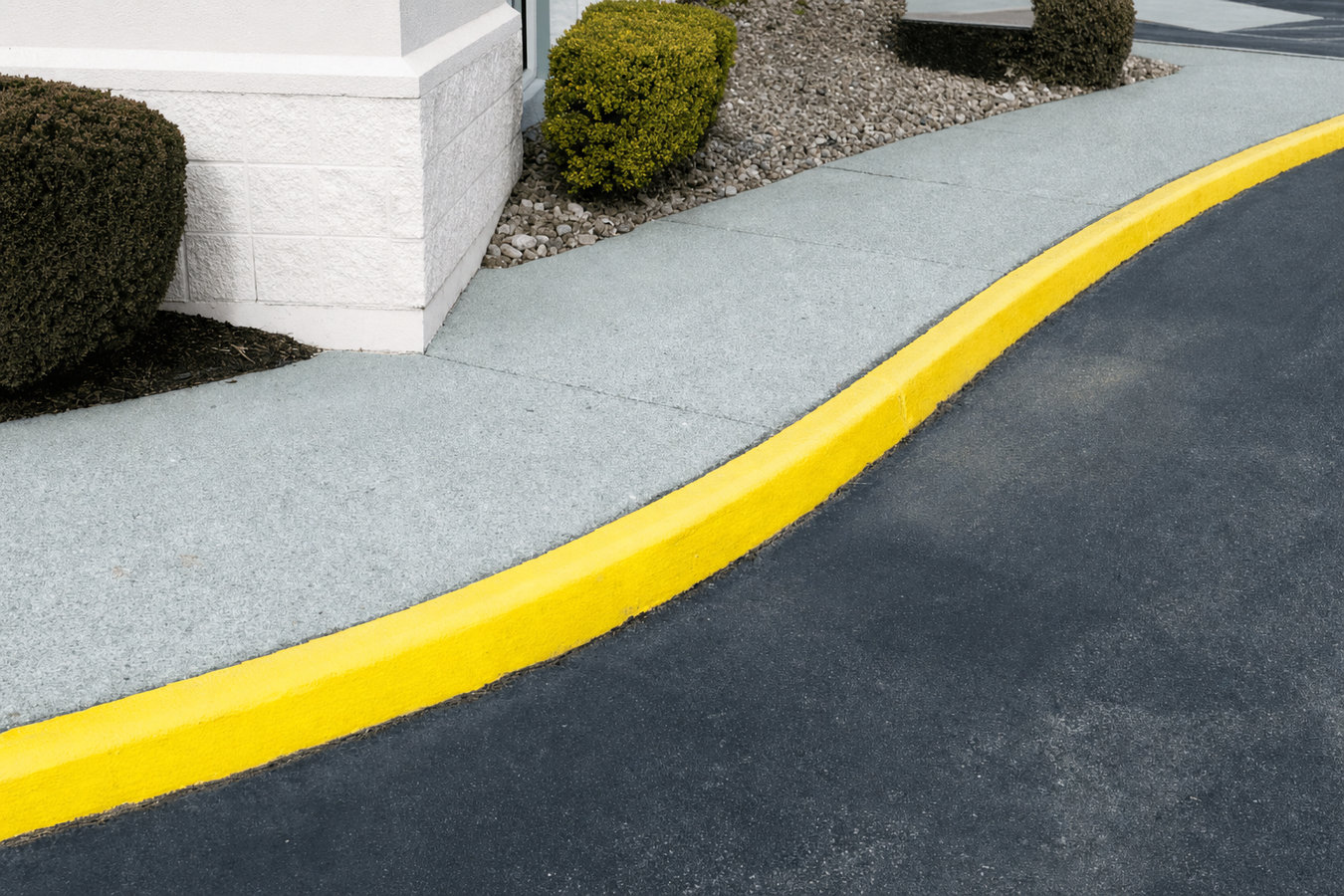
Concrete curbing and sidewalk installation in Culver City means setting forms, pouring fresh concrete, and finishing the surface to a clean edge or walkable path - most residential projects wrap up in one to two days of active work, with a curing period before you walk or drive on the new surface.
If you have lifted sidewalk panels, crumbling driveway edges, or a front path that pools water after rain, those problems only get bigger with time. In Culver City's established neighborhoods, older concrete is especially vulnerable because the clay-heavy soils beneath it shift with moisture changes, and once a slab starts to move, more cracking follows. The good news is that replacing it correctly - with a compacted base and properly spaced control joints - gives you decades of stable, low-maintenance flatwork.
If your project involves any earthwork or grading before the forms go in, that work is covered under our grading and excavation service. Getting the base right before the pour is what separates concrete that lasts 30 years from concrete that cracks in three.
Watch for these signs before a tripping hazard or drainage problem gets worse.
If sections of your walkway have risen above the adjacent panels, tree roots or shifting soil have broken the slab loose from its base. Even a small lip is a genuine tripping hazard, and the raised section will continue to move unless the root or drainage cause is addressed at the same time.
Wide cracks that run across the full width of a panel mean the slab has moved significantly beneath the surface. Hairline cracks can sometimes be sealed, but structural cracks in Culver City's shifting clay soils usually mean the concrete needs to be replaced, not patched, to stay stable long-term.
Standing water on a walkway means the slope is wrong - either it was never set correctly or the slab has settled unevenly over time. In winter, that pooling accelerates cracking as water works into the base. The fix is a properly sloped replacement pour, not patching over the old surface.
Without curbing, mulch migrates onto the driveway, grass creeps into garden beds, and the whole exterior looks unfinished. Concrete curbing creates a permanent border that keeps everything in place and gives your landscaping a sharp, intentional look year-round.
We handle residential and commercial concrete flatwork across Culver City - from a single cracked sidewalk panel to a full driveway apron and curbing installation. Every project starts with base preparation: we remove old concrete, compact the soil beneath, and set forms to the correct slope before a single bucket of concrete is poured. For properties near the street, we check the right-of-way boundary and handle any permits required by the city. If your project also needs a freshly paved driveway surface, our driveway paving service pairs directly with concrete curbing work.
For more intensive site prep - including grading or removing existing material before the forms go in - we coordinate that under our asphalt milling and related preparation services, so the concrete work starts on a clean, level base. We also offer decorative finish options - broom, exposed aggregate, stamped, or colored concrete - for homeowners who want the curbing and walks to complement a recently landscaped or renovated exterior.
Suited for homeowners replacing cracked, lifted, or poorly draining concrete walkways on private property.
Ideal for curbing and flatwork where appearance matters - broom, exposed aggregate, stamped, or integral color finishes available.
Best for properties that need a clean, defined border between the driveway surface and adjacent landscaping or lawn.
For sidewalk panels in the public right-of-way that must meet Culver City standards for slope, accessibility, and materials.
Culver City has no freeze-thaw cycles, which is genuinely good news for concrete - it means the seasonal cracking that wrecks sidewalks in colder states is not a factor here. But the city has its own challenges. The soils across much of the Los Angeles basin have a significant clay content, and clay expands when wet and shrinks when dry. That movement pushes against slabs from below and is one of the main reasons concrete in this area cracks and lifts even without heavy traffic or extreme weather. Proper base compaction and well-placed control joints are not extras - they are what the local conditions demand. We know how to build for it.
Culver City also has a well-established urban tree canopy, especially in older neighborhoods, and mature tree roots are one of the leading causes of lifted sidewalk panels here. We assess nearby trees before every project and discuss root barrier options when they are appropriate. We serve the full city, including hillside streets in Culver City and neighboring communities like Santa Monica. On hot days - and Culver City gets them - we adjust our pour schedule to protect the concrete from curing too quickly on the surface, which prevents early cracking.
Tell us the location, the approximate size of the project, and what you are seeing - cracked panels, no curbing, drainage problems. We reply within 1 business day and schedule a free on-site estimate.
We measure the area, check the base condition, look for tree roots or right-of-way boundaries, and give you a written estimate that covers labor, materials, and any permit costs. No pressure, no surprises.
If the work touches the city right-of-way, we apply for the permit and handle the paperwork. On work day, the crew removes existing concrete, grades and compacts the base, and sets forms before any concrete is poured.
We pour and finish the concrete, cut control joints, and clean up the site. Before we leave, we walk the finished work with you - 24 to 48 hours for foot traffic, several days before vehicles - and answer any questions on the spot.
Free on-site estimate. We handle permits. No pressure.
(424) 543-5092We compact the base and place control joints specifically for the expansive clay soils common across Culver City. That is the difference between concrete that stays flat for 30 years and a slab that starts cracking within a few.
Culver City right-of-way work requires a city permit and must meet specific slope and accessibility standards. We check whether your project triggers that requirement and pull the permit on your behalf - you never have to visit a city office.
Many Culver City homes sit under a mature tree canopy that lifts sidewalks within a few years of installation. We assess nearby roots on every project and discuss root barrier options before the pour, so the new concrete is not already fighting a losing battle. For a review of contractor licensing requirements, the California Contractors State License Board lets you verify any contractor's license in minutes.
Every project starts with a written estimate that spells out what is included - no verbal quotes that shift when the crew arrives. If conditions on-site change what is needed, we tell you before doing the additional work.
Every one of those details - the base, the permits, the root check, the written scope - adds up to concrete that does its job for years without you having to call someone back to fix it. That is what we aim to deliver on every job.
Remove the deteriorated top layer of an existing paved surface before new asphalt or concrete work begins.
Learn MorePair new concrete curbing with a freshly paved asphalt driveway surface for a complete exterior upgrade.
Learn MoreMost residential jobs wrap up in one to two days - call now and we can often schedule your estimate within the week.